Tummy Tuck After Gastric Sleeve: Timing, Recovery & What to Expect
Learn when a tummy tuck may make sense after gastric sleeve, what recovery looks like, and which options may fit your goals.

Global leader in endoscopic weight loss, Triple-board-certified in obesity
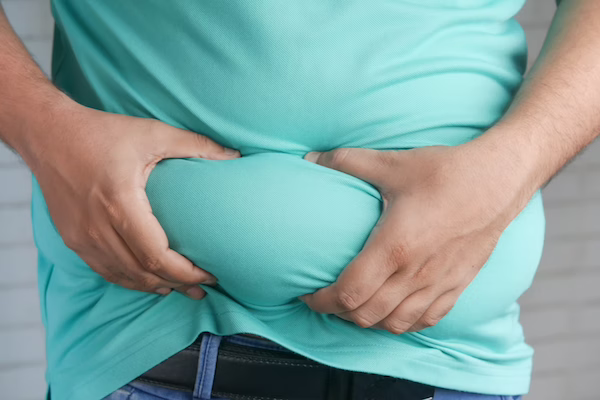
You’ve reached a stable weight after your gastric sleeve, but loose skin around your middle won’t budge. You can feel proud of the progress you’ve made and still be frustrated by the physical changes left behind. Many people reach this exact point after significant weight loss: the weight is gone, but what about the skin left behind?
A tummy tuck is one of the most common procedures considered after bariatric surgery. Before deciding whether it’s right for you, it’s important to understand what it can and cannot do.
It helps improve body contour by removing excess skin and tightening the abdominal area. It does not affect metabolism or continue your weight-loss progress. That distinction influences everything from timing and candidacy to the results you can realistically expect.
What a Tummy Tuck Can and Cannot Do

Knowing what a tummy tuck can and cannot do helps you choose with confidence.
A tummy tuck removes loose skin and fat from the lower abdomen. Surgeons can also tighten abdominal muscles that have separated due to pregnancy or significant weight changes. The NHS describes it as cosmetic surgery designed to improve abdominal shape.
For some people, after major weight loss, excess skin is more than a cosmetic concern. Skin folds can trap moisture, contribute to irritation or rashes, make exercise uncomfortable, and create hygiene challenges. These functional issues are often among the reasons patients explore body contouring after bariatric surgery.
There are two common versions. A partial tummy tuck targets skin below the belly button. A full tummy tuck covers a wider area and can realign the muscle wall.
A tummy tuck won’t change your metabolism, and it won’t help you lose meaningful weight on its own.
Weight loss and body contouring serve different purposes. Weight-loss procedures change how your body takes in or processes calories, helping reduce body weight over time. Body contouring procedures address the loose skin and changes in shape that can remain after substantial weight loss.
That’s why a tummy tuck is generally considered part of body contouring after weight loss, not a weight-loss treatment in itself. It also means a tummy tuck works best for people who are already near a healthy, stable weight, not as a way to lose the weight itself. Your starting point matters as much as your goals when it comes to candidacy.
When to Consider a Tummy Tuck After Gastric Sleeve
The right timing protects both your results and your recovery.
Timing matters more than most people expect. Your skin and incisions heal best once your weight has settled. Operating too early can mean a second procedure later if you keep losing.
Most surgeons want to see stable weight before scheduling a tummy tuck. Depending on your rate of weight loss, nutritional status, and overall health, the waiting period typically ranges from 6 months to 2 years - with many surgeons landing around the 12–18 month mark. A stable weight also lowers the risk of complications and reduces the chance of needing a second procedure.
Nutrition matters just as much as weight stability. Healing after surgery depends on adequate protein intake and healthy vitamin and mineral levels. If nutritional deficiencies are present, your surgeon may recommend correcting them before moving forward.
It’s also important to have realistic expectations about recovery, scarring, and results. A tummy tuck can improve abdominal contour, but it won’t change your metabolism, and results vary based on skin quality, healing, and individual anatomy.
Signs you may be ready
- Your weight has stayed stable for six to twelve months.
- You eat enough protein and meet your daily nutrition needs.
- You don’t smoke, since smoking slows wound healing.
- You hold realistic expectations about scars and downtime.
Reasons to wait
- You’re still actively losing weight.
- You have nutritional deficiencies that need correcting first.
- You manage health conditions that aren’t stable yet.
- You’re still deciding whether you want contouring at all.
Recovery After Tummy Tuck
Recovery takes weeks, not days. The NHS notes it takes around six weeks to fully recover and see the full effect of a tummy tuck.
Most people feel sore and tight in the first days. You may find it hard to stand fully upright at first, and that eases over time. Plan for real rest, not a quick return to your routine.
Final results take time to settle. Swelling can linger for months as your body heals. Most people see the full effect around six weeks, though scars keep fading well beyond that.
Don’t rush it - healing on your body’s timeline gives you the best shot at the result you’re after.
What the first 2 weeks usually feel like
- You’ll need help at home and limited movement at first.
- You may have dressings, a compression garment, or drains.
- Swelling and soreness are normal during this stage.
- You should add light activity slowly, not all at once.
What recovery can look like after 6 weeks and beyond
- Your energy and mobility improve gradually.
- Swelling can continue for several months.
- Scars fade over twelve to eighteen months but don’t disappear.
- Your final contour takes time to fully appear.
Risks, Scars, and Tradeoffs
Understanding the tradeoffs helps you weigh the decision honestly.
A tummy tuck is major surgery, so it carries real risks. The NHS lists bleeding, blood clots, infection, and problems with wound healing. Some people also have fluid collection, lasting numbness, or scars that thicken.
Every patient ends up with a scar across the lower abdomen. A surgeon places it low, so clothing usually covers it. Still, the scar is permanent - worth knowing before you decide.
The benefits can feel meaningful for the right person. Research on body contouring after weight loss links it to a better quality of life for many patients. Those gains tend to be physical and emotional, not metabolic.
Whether the benefits outweigh the tradeoffs depends on your goals, symptoms, and recovery priorities. Discussing risks, expected results, and alternatives with a qualified surgeon can help determine whether the procedure is appropriate for you.
Alternatives to Consider First
If weight is still the goal, non-surgical care may fit better than contouring.
Not everyone considering a tummy tuck is primarily concerned about excess skin. In some cases, ongoing weight loss remains the bigger priority, or weight regain after gastric sleeve surgery has changed the conversation.
It helps to separate the two clearly. Excess weight sits inside the body as fat and affects your health. Excess skin sits on the surface after the fat is gone.
A tummy tuck only addresses the second one. So review your weight loss surgery options and the alternatives to tummy tuck before you commit. The contrast stays simple.
A tummy tuck treats the skin. Everself treats weight with non-surgical care.
If weight loss is still the main goal
If you’re still working toward your goal weight, treat that first. Skin removal works best once your weight holds steady. Everself builds its non-surgical paths around weight, not contour.
Weight regain after gastric sleeve is also common, and that’s not a personal failure, just a signal to adjust. If weight is still the main concern, a gastric balloon for weight loss may be worth exploring before a skin removal conversation makes sense.
If weight is still the main concern
Maybe your weight is stable, but a long surgical recovery gives you pause. Everself focuses on minimally invasive, outpatient weight care. ESG Stomach Tightening® reduces stomach size from the inside without incisions or scars.
This is a different goal from skin removal, worth repeating: a tummy tuck removes skin, ESG supports weight loss.
Some patients use non-surgical weight care first and consider contouring later, once their weight has settled - the ESG vs VSG comparison is a useful next read if you’re deciding between a non-surgical and surgical route.
If your weight crept back after your sleeve, that’s common and fixable. A gastric sleeve revision can help you restart progress without another major surgery.
FAQ
Can you get a tummy tuck after a gastric sleeve?
Yes, many people do. Most surgeons prefer that your weight stays stable first. That usually means waiting until your gastric sleeve results have settled.
How long after a gastric sleeve should you wait?
Most surgeons recommend waiting until your weight has stabilized, often 12 to 18 months after gastric sleeve surgery. The exact timeline depends on your rate of weight loss, nutritional status, overall health, and surgical goals.
Does a tummy tuck help you lose weight?
No. A tummy tuck removes excess skin and tightens abdominal muscles, but it isn’t a treatment for losing weight. It works best for people already near a stable, healthy weight, not as a way to get there.
Is it covered by insurance?
Coverage varies, and many plans treat a tummy tuck as cosmetic. Some cover skin removal when excess skin causes medical problems, like rashes or infections. Check directly with your insurer about your specific plan.
What if I still have weight to lose?
Focus on weight first, then revisit contouring once you’re stable. Everself offers non-surgical options if weight is still your main concern. Talk with our team to find the path that fits your goals.
Sources
Tummy Tuck (Abdominoplasty). (2023). NHS. FOUND ON: https://www.nhs.uk/tests-and-treatments/cosmetic-procedures/cosmetic-surgery/tummy-tuck/
Body Contouring After Bariatric Surgery (Research Summary). (n.d.). PubMed, National Library of Medicine. FOUND ON: https://pubmed.ncbi.nlm.nih.gov/28613712/
Post-Bariatric Body Contouring (Research Summary). (n.d.). PubMed Central, National Library of Medicine. FOUND ON: https://pmc.ncbi.nlm.nih.gov/articles/PMC7233755/