Lap Band Alternative: ESG, Balloon, or Sleeve? Best Options in 2026
Seeking a lap band alternative? Compare ESG, gastric balloon, sleeve vs band for weight loss, risks, removal. Non-surgical options that work.

Global leader in endoscopic weight loss, Triple-board-certified in obesity
Nearly 1 in 2 lap band patients end up needing removal.
What feels like a long-term solution at first often doesn’t hold up. Complications show up, weight loss stalls, or the results just don’t last the way you expected.
So you start looking again. This time, for something that actually works. That’s where lap band alternatives come in. Today’s options are safer, more effective, and built for sustainable results.
In this guide, we’ll walk you through what those alternatives look like, how they compare, and how to choose the right next step.
Common Lap Band Problems and Why Patients Seek Alternatives
The lap band (adjustable gastric banding) was once positioned as a safer, reversible alternative to gastric bypass. In practice, long-term outcomes have been mixed at best, which is why many patients begin exploring lap band surgery alternatives. Here’s what drives most patients to look elsewhere:
- Band slippage: This occurs when part of the stomach moves above or below the band. It can lead to symptoms like reflux, vomiting, and difficulty eating, and may require repositioning or removal.
- Band erosion: In some cases, the band can gradually erode into the stomach wall. Although less common than slippage, it is a serious complication and typically requires surgical removal.
- Ongoing maintenance and adjustments: The band requires regular follow-ups to adjust the saline fill level. These visits are necessary for effectiveness but can become a long-term burden for many patients.
- Lower overall weight loss: Compared to other bariatric procedures, weight loss with the lap band is generally more modest. Long-term studies show average total weight loss (%TWL) of around 20% at 5 years, with results plateauing after the initial 2–3 years.
- High long-term removal rates: A significant proportion of patients eventually require band removal over time. In one 10-year clinical study, 37.1% of patients underwent band explantation, most commonly due to intolerance, erosion, or slippage.
- Weight regain after removal: After band removal, weight regain is common if no additional treatment is pursued. Unlike some other procedures, the lap band does not significantly affect hunger hormones, which can make long-term weight maintenance more challenging.
Top Lap Band Alternatives Comparison
Before committing to anything, it helps to see how different lap band alternatives compare side by side. Here’s how the most common weight loss surgery options stack up:
| Feature | Lap Band | ESG Stomach Tightening® | Gastric Balloon | Gastric Sleeve |
|---|---|---|---|---|
| Invasiveness | Laparoscopic (small cuts) | Non-surgical (endoscopic) | Non-surgical (endoscopic) | Surgical (permanent) |
| Avg %TWL | 10–13% | ~20% | 10–15% | 25–30% |
| Recovery | 1–2 weeks | 2–3 days | 2–3 days | 3–5 weeks |
| Durability | Often fails long-term | Durable, lasting results | Temporary (6 months) | Long-term, but irreversible |
| Adjustments needed | Frequent fills | None | None | None |
| Key risks | Slippage, erosion (20–50%) | Low complication profile | Nausea, early removal | Leak, GERD, regain |
| Reversible | Yes (with removal) | Sutures can be revised | Yes | No |
Why ESG Is the Best Non-Surgical Lap Band Alternative
ESG Stomach Tightening® is a one-time, non-surgical endoscopic procedure that reduces stomach size from the inside using a series of 7–10 sutures. No cuts or scars are made.
How ESG works
Alt text: Diagram showing an endoscope placing sutures along the stomach wall to reduce its volume into a sleeve-shaped pouch
.Caption: An endoscope guides the placement of sutures along the stomach wall, reducing its volume by around 75% and creating a sleeve-shaped pouch that limits food intake without surgery.
Firstly, an endoscope is passed through the mouth. Then, a physician places sutures along the stomach’s greater curvature, reducing its volume by approximately 75%. The result is a smaller, sleeve-shaped stomach that limits food intake and slows digestion.
The procedure was invented by Dr. Christopher C. Thompson, Professor of Medicine at Harvard Medical School, who is widely recognized as the father of bariatric endoscopy.
ESG vs. lap band: the key differences
The lap band restricts from the outside with a foreign device. ESG reshapes from the inside with no hardware left behind. It is one of the least invasive weight loss surgery options available today. That distinction matters clinically:
- No slippage, erosion, or fill appointments
- No risk of device-related complications over time
- Average %TWL of approximately 20%, nearly double the lap band’s typical outcome
- Recovery measured in days
- The procedure can be revised if needed, offering flexibility that the lap band never could
Weight loss timeline: lap band vs. ESG
| Timeframe | Lap Band %TWL | ESG %TWL |
|---|---|---|
| 3 months | 4–6% | 5–9% |
| 6 months | 7–10% | 10–14% |
| 12 months | 10–13% | 16–20% |
| Long-term | Often declines | Durable with support |
ESG is also supported by Everself’s 12-month concierge program, which pairs the procedure with physician check-ins, dietitian guidance, and behavioral coaching. That combination is what drives durable results.
Gastric Balloon as a Temporary Lap Band Alternative
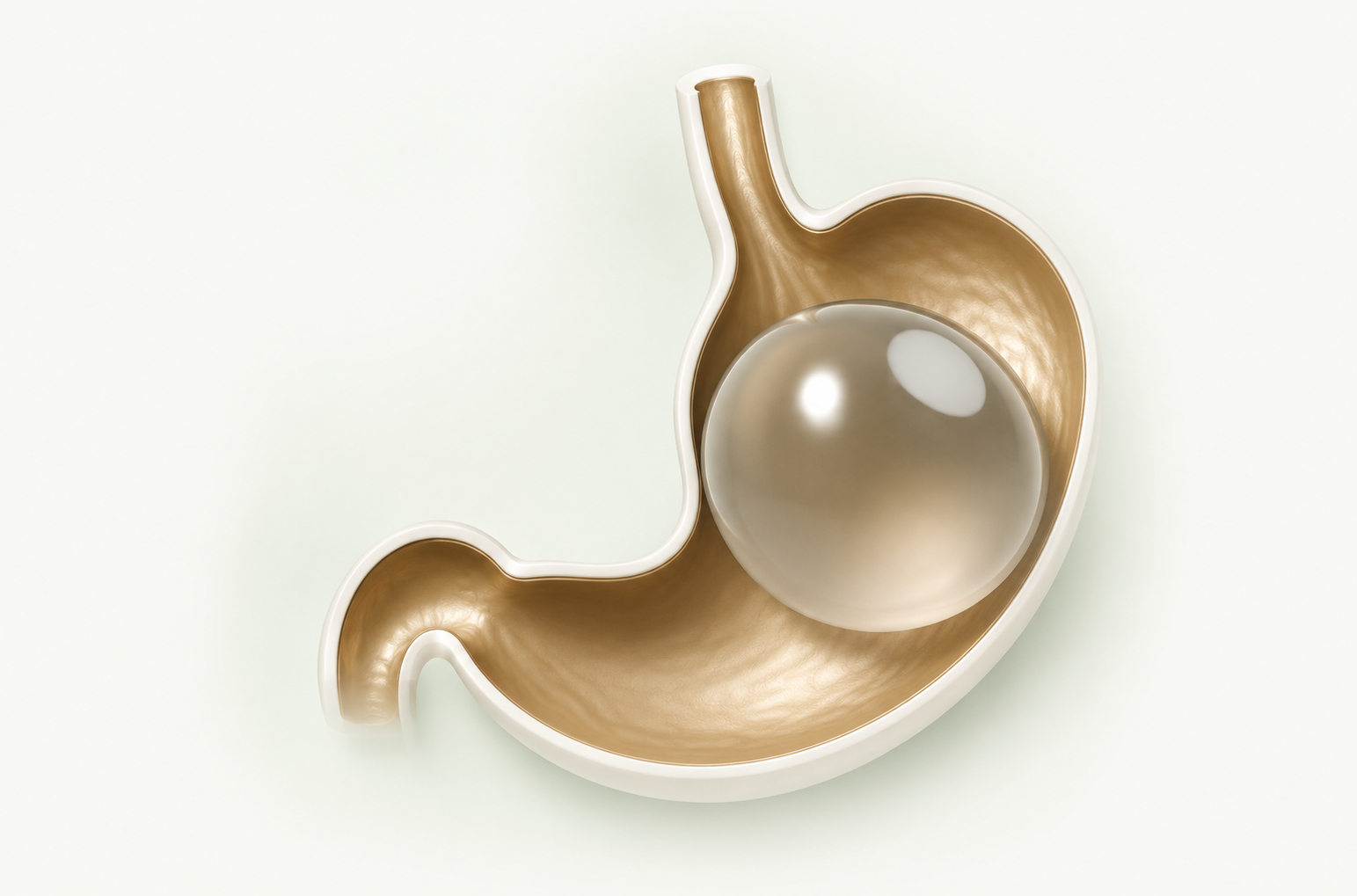
A saline-filled balloon placed inside the stomach takes up space, reducing how much you can eat and helping you feel full sooner.
For patients who want a non-surgical starting point or who aren’t ready for ESG, the gastric balloon is worth understanding. The balloon is inserted through the mouth and inflated in the stomach, where it occupies space and promotes earlier fullness. After six months, it’s removed.
What the balloon does well
- Completely reversible with no permanent changes
- Non-surgical, no incisions or scars
- Average %TWL of 10–15%
- Faster access with lower cost than ESG
- Useful as a jump-start before transitioning to a longer-term plan
What to keep in mind
- Results are temporary. Without follow-up behavior change or a subsequent procedure, regain is common after removal.
- Average weight loss is lower than ESG over a 12-month horizon.
- Some patients experience nausea or discomfort in the first few weeks.
The balloon works best for patients who have a clear short-term goal or want to trial a non-surgical approach before committing to ESG.
Surgical Options (If Non-Surgical Isn’t the Right Fit)
Gastric sleeve (VSG)
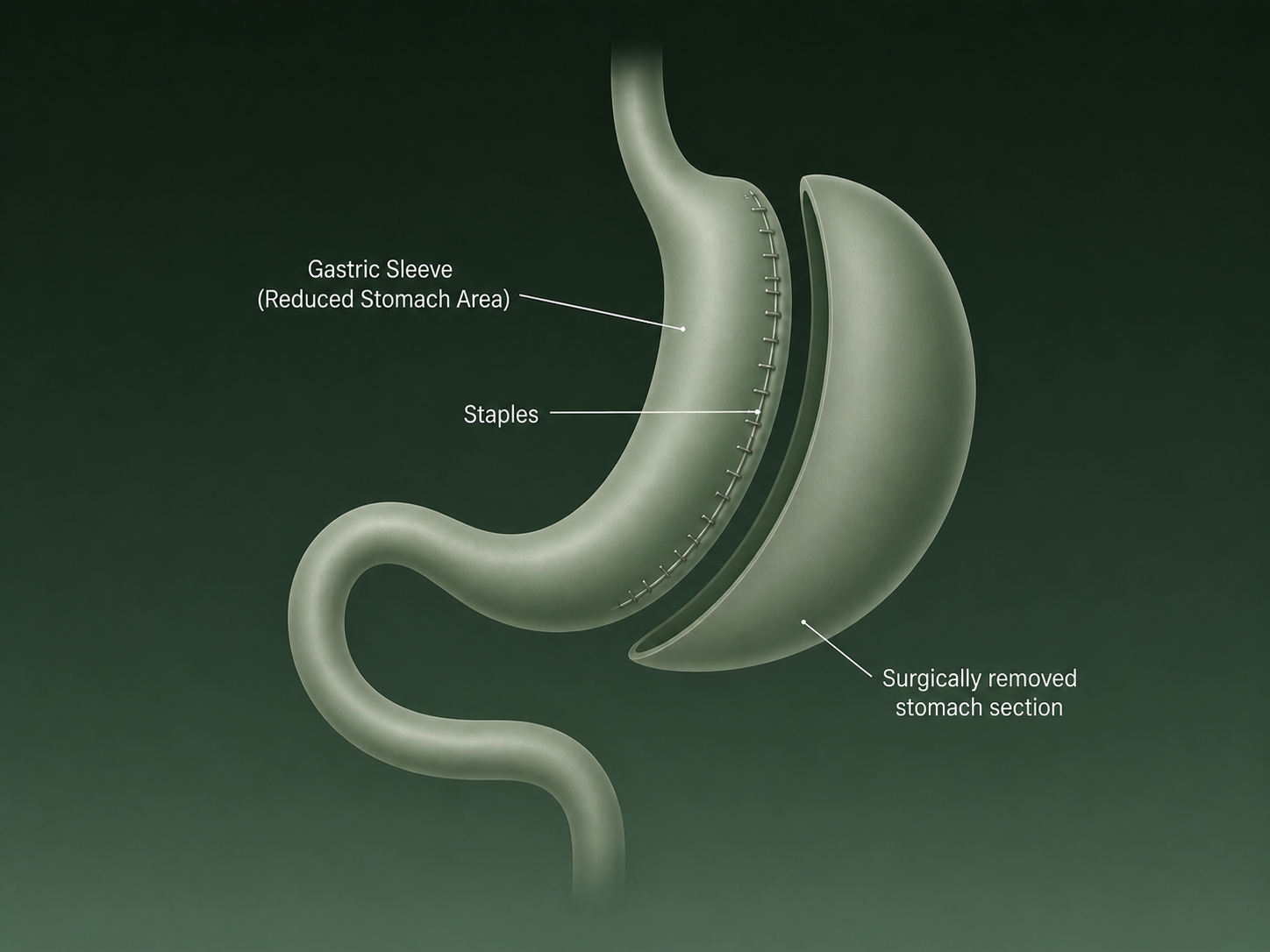
Around 75–80% of the stomach is permanently removed, leaving a narrow tube-shaped pouch that restricts how much you can eat in one sitting.
For some patients with higher BMI or prior failed procedures, a surgical route may still be the most appropriate path. Understanding the lap band vs gastric sleeve comparison helps clarify where each fits.
The sleeve removes approximately 75–80% of the stomach permanently, leaving a tube-shaped pouch. Average %TWL sits around 25–30%, making it one of the highest-performing standalone weight loss procedures.
The trade-off: it’s irreversible, carries a longer recovery (3–5 weeks), and carries surgical risks, including leaks, GERD, and nutritional deficiencies. It’s also important to understand that there is a risk of weight regain after gastric sleeve.
Gastric bypass (RYGB)
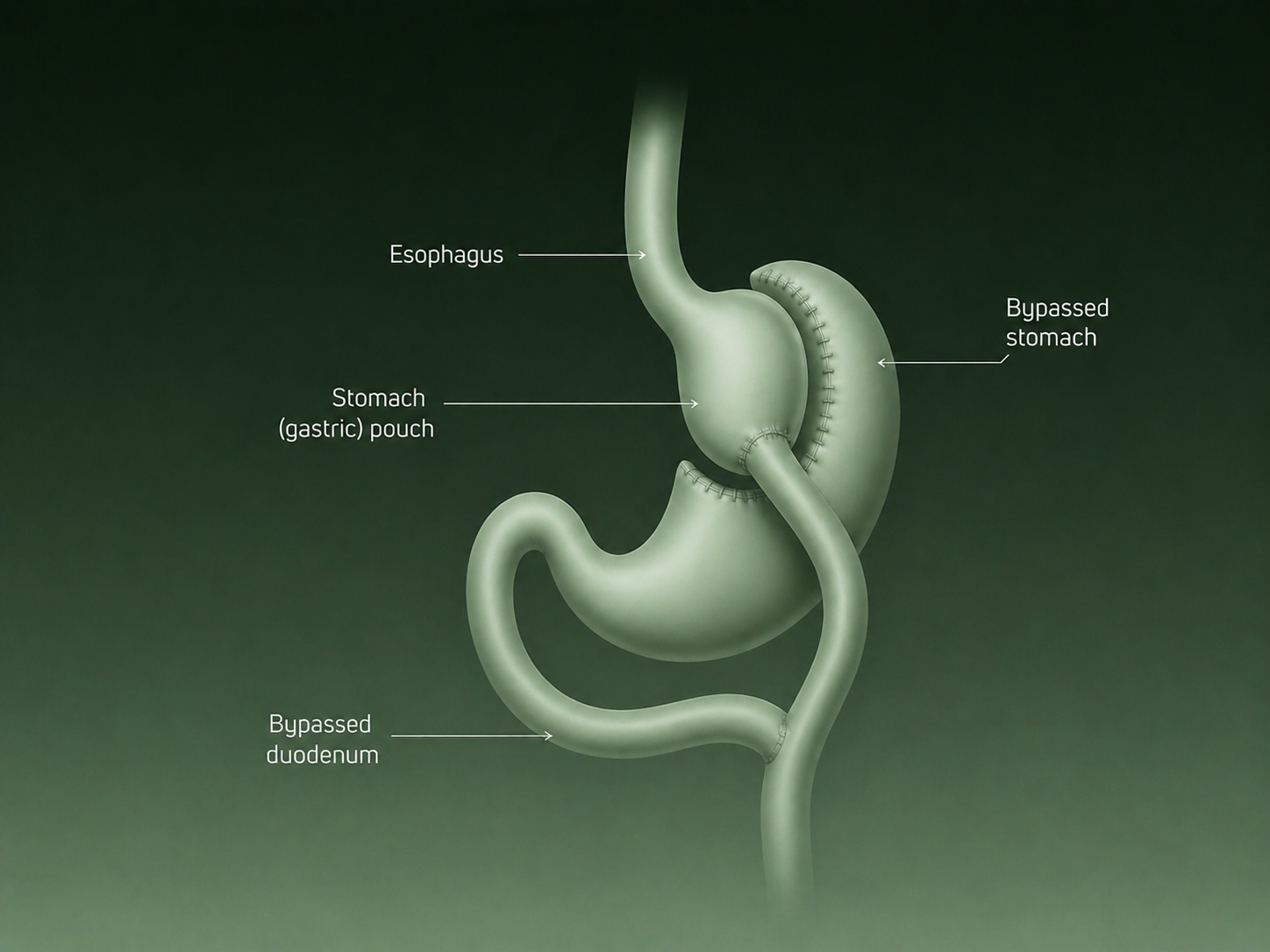
A small proximal pouch is created from the stomach and connected directly to the small intestine, bypassing most of the original stomach and the duodenum.
Gastric bypass is typically recommended for patients with a BMI over 40, or those with significant metabolic conditions such as type 2 diabetes. It’s often considered when other approaches haven’t delivered sufficient results or when a more aggressive intervention is clinically appropriate.
The procedure works by creating a small stomach pouch and rerouting part of the small intestine. This changes how your body absorbs calories and regulates hunger hormones. As a result, it delivers some of the highest average weight loss outcomes among all bariatric procedures, along with strong metabolic improvements.
However, this effectiveness comes with trade-offs. Gastric bypass involves permanent anatomical changes, a longer recovery period, and a higher level of surgical complexity. Patients also need lifelong nutritional monitoring and supplementation to prevent deficiencies, along with consistent follow-up to manage potential complications such as dumping syndrome, micronutrient deficiencies, or gastrointestinal symptoms.
Revision procedures
For patients who previously had a lap band and are now experiencing weight regain or complications, revision may be the next step.
This doesn’t mean another major surgery. In some cases, less invasive endoscopic revisions may be possible. However, there are certain gastric sleeve revision requirements that need to be met before moving forward.
Factors Influencing Your Choice
No single option fits every patient. Here’s how to think through what matters most for you:
BMI and starting weight
- BMI 30–40: ESG is typically the strongest non-surgical option with meaningful %TWL and minimal downtime.
- BMI 27–29.9 with an obesity-related condition: ESG or gastric balloon may both be appropriate, depending on goals.
- BMI 40+: Surgical options like gastric bypass may be more appropriate
Prior lap band complications
If you’ve had a band removed, the stomach may need time to recover before any new procedure. Your physician will assess anatomy and timing. Many post-band patients go on to have ESG successfully.
Lifestyle and recovery tolerance
ESG’s 2–3 day recovery makes it realistic for people balancing work, family, and other responsibilities. Surgical options require significantly more downtime and post-operative dietary restriction.
What to Do Next
If you’re exploring lap band alternatives, the most important next step is understanding what’s right for your body and history.
A personalized consultation helps assess:
- Your current anatomy and recovery from the band
- Your weight loss goals and timeline
- Which options are realistically sustainable for you
At Everself, this goes beyond just the procedure. Their 12-month concierge program combines medical care with nutrition and behavioral support. So you’re not left figuring things out on your own after treatment.
As one patient shared:
“Nothing is easy, but with this level of care and commitment, you’re set up for nothing but success. ESG has changed my whole lifestyle; you can do it too!”