pixel Skip to Main Content
Everself
Is this for me? Book consultation
Non-Surgical Bariatric Surgery Revision

Weight regain after weight loss surgery isn't a failure.

Roughly 1 in 5 patients regain significant weight within 5 years of bariatric surgery — not because they did something wrong, but because the surgical anatomy stretches over time. A 30–45 minute non-surgical revision can restart your progress.

As seen in

image/svg+xml
Forbes
Great Day Washington
Bloom TV
Find your revision option Step 1 of 3

Which surgery did you have?

~10–15%

Average total body weight loss

30–45 min

Endoscopic, outpatient

No incisions

Through the mouth

12-month

Program included

Why this happens

It's not your discipline. It's your anatomy.

You didn't fail surgery. Bariatric surgery works by physically restricting how much you can eat. Over time, the stomach can stretch, making it easier to eat more and harder to keep weight off.

The pouch stretches.

After sleeve or bypass, the stomach can gradually expand — increasing capacity and bringing hunger back.

The outlet dilates.

For bypass patients, the pouch-to-intestine connection can widen, causing food to empty faster and fullness to fade sooner.

Hunger rebounds.

Weight loss surgery's appetite-suppressing effect can weaken over time. That's biology — not failed willpower.

Two procedures, one program

Pick the revision matched to your original surgery.

Both procedures are endoscopic, outpatient, and wrapped in a 12-month support program. The right one for you depends on what was done the first time.

For former gastric sleeve patients

Everself SIS

Endoscopic re-tightening of a stretched sleeve.

~15%

Average weight loss

30–45 min

Outpatient procedure

  • No incisions. Same-day discharge.
  • 1–3 days off work.
  • 82% of patients lose ≥10% body weight.
Learn about SIS →
For former gastric bypass patients

Everself TORe

Endoscopic reduction of a dilated bypass outlet.

~10–15%

Average weight loss

30–45 min

Outpatient procedure

  • No incisions. Same-day discharge.
  • 1–3 days off work.
  • Reduces the gastrojejunal outlet, restoring satiety.
Learn about TORe →

The doctor who invented this

Born in our Harvard lab. SIS and TORe at their best.

Not all endoscopic revision is the same. Pattern, depth, the hands at the controls — every detail decides how much weight you lose. Everself SIS and Everself TORe are the original protocols, performed by the team that invented them.

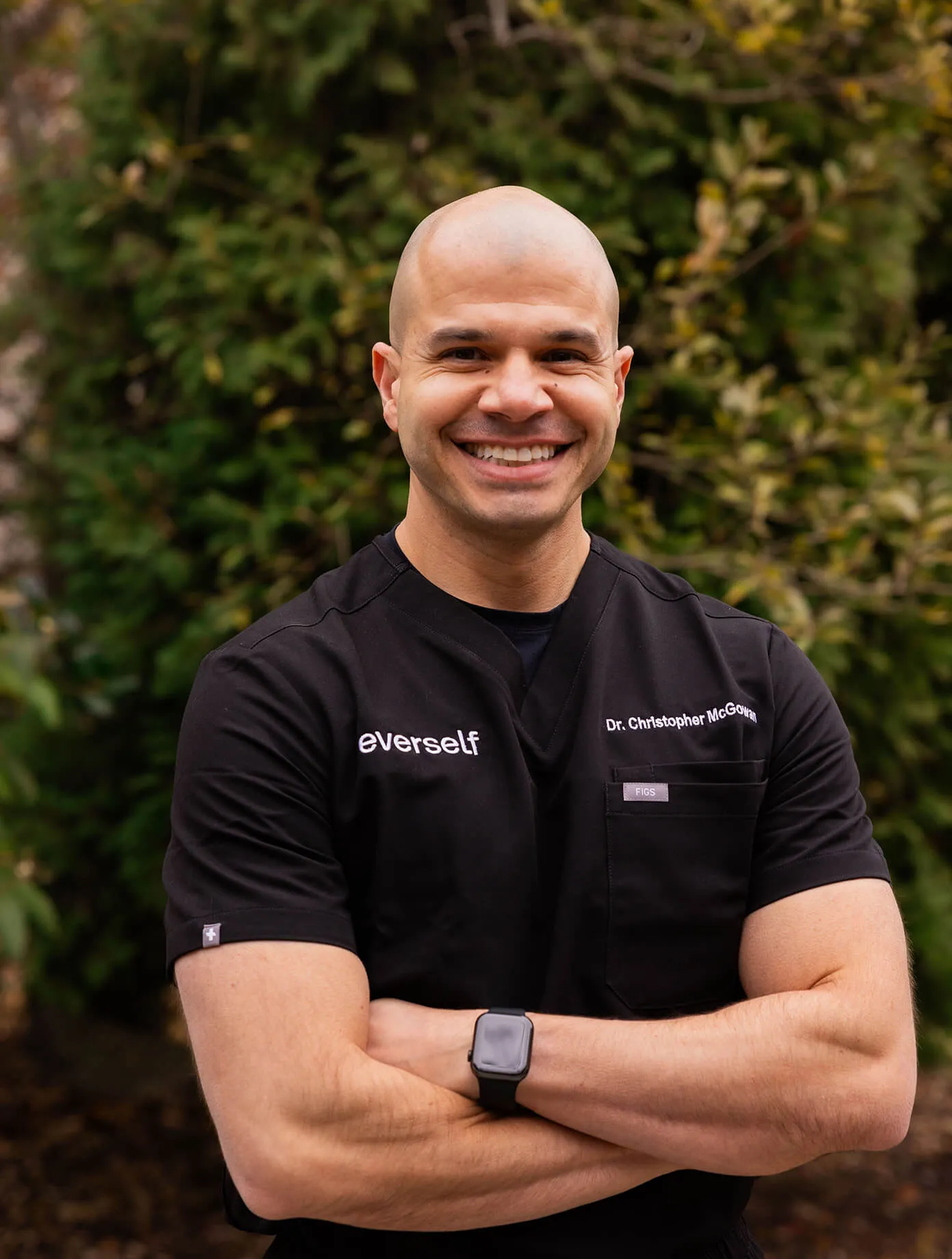
Dr. Christopher C. Thompson

Meet the inventor of SIS and TORe, Dr. Christopher Thompson

Harvard Medical School Professor · Everself co-founder

"Too many patients were regaining weight after gastric sleeve and bypass surgery, only to be told their next option was another surgery. I believed there had to be a better way. After a decade of research at Harvard, we developed a non-surgical approach to revision. Today, Everself brings that protocol directly to patients."

The Everself Program

12 months of concierge care, designed around you.

The success of a gastric sleeve or gastric bypass revision depends on both what happens in the procedure room and the months that follow. Our 12-month program is built around the full arc. Most clinics manage 1–6 check-ins for the year; we map 12+ to the recovery curve.

Here for you

Nurse practitioner

Registered dietitian

Nurse care manager

Patient coordinator

"The staff is incredible to say the least and they really do demonstrate their care for their clients."

— Helen M. · September 2025
Phase 1 Month 1

Recover and heal

Two to three days of rest and gentle return to normal, then a full first month with your dedicated nurse care manager checking in daily and an Everself provider one tap away around the clock.

24/7 provider on call IV hydration therapy Dedicated nurse care manager
Phase 2 Months 2–8

Rewire nutrition and habits

1 on 1 coaching from a personal dietitian, weekly group sessions, and (if you want it) an optional GLP-1 add-on to amplify results in the first year.

Personal dietitian Group support GLP-1 add-on (optional)
Phase 3 Months 9–12

Lock in the loss

Fine-tune your weight loss and graduate into a lifetime patient community. Final provider check-ins make sure you're on track for years, not months.

Personal dietitian Fine-tune weight loss Lifetime community Final check-ins

What patients say

4.8 stars on Trustpilot. And a thousand reasons why.

4.8 / 5 · Read on Trustpilot →
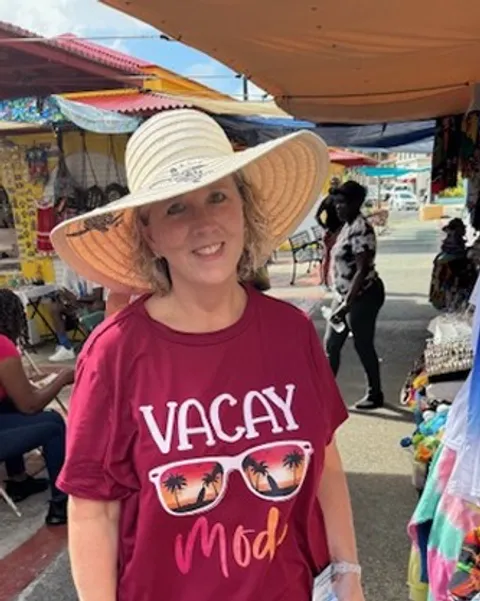
  • Christina before
    Before
    Christina after
    Christina lost 100 pounds
    with Everself TORe
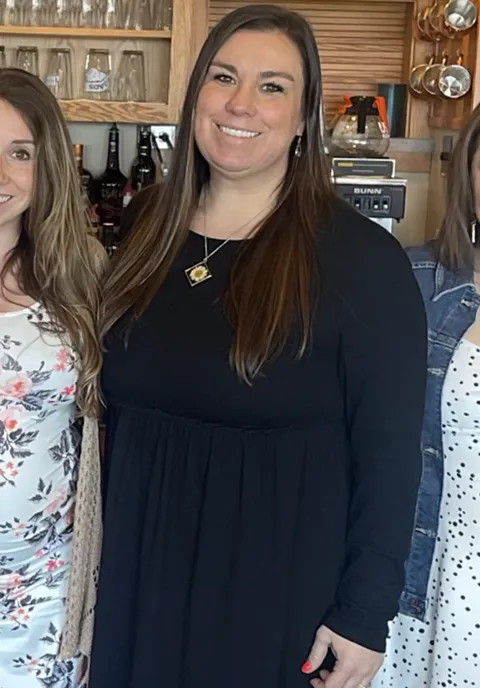
  • Mindi before
    Before
    Mindi after
    Mindi lost 53 pounds
    with Everself SIS
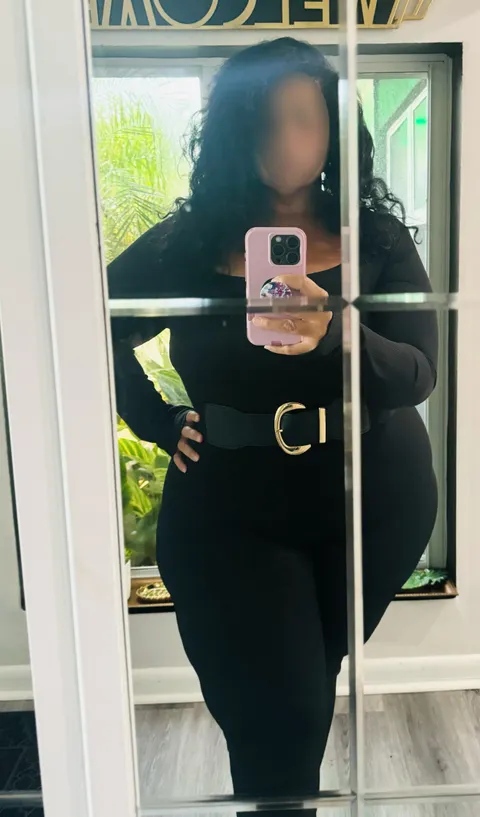
  • Michelle before
    Before
    Michelle after
    Michelle lost 62 pounds
    with Everself TORe
  • Erin before
    Before
    Erin after
    Erin lost 45 pounds
    with Everself SIS
  • Jackie before
    Before
    Jackie after
    Jackie lost 51 pounds
    with Everself TORe
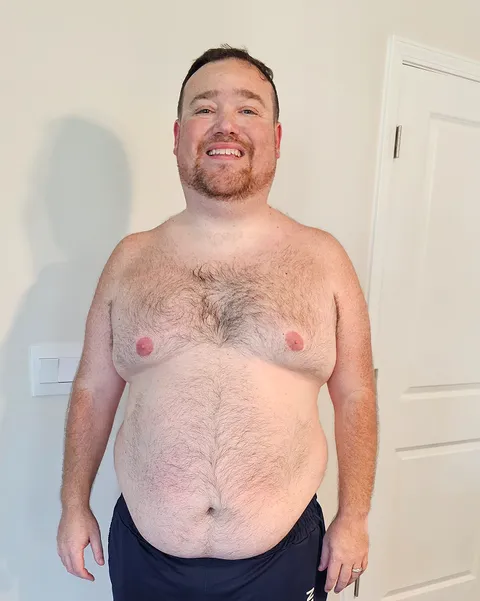
  • Clint before
    Before
    Clint after
    Clint lost 38 pounds
    with Everself SIS

Compare your options

How endoscopic revision compares.

Everself SIS / TORe Revisional surgery GLP-1 Medications
Approach Endoscopic — through the mouth, no incisions Open or laparoscopic — incisions, sutures, hospital stay Weekly self-injection, ongoing
Average weight loss ~10–15% ~15–25%, depending on procedure ~7–15% while on treatment
Long-term result Sustained with the 12-month program Durable with lifestyle support Returns after stopping
Recovery 1–3 days off work 2–4 weeks off work No procedure, but lifelong medication
Anesthesia Outpatient sedation General anesthesia + hospital admission None

Not sure what kind of surgery you had?

You're not alone — many patients had surgery a decade or more ago and don't remember the details. Book a consultation and our team will review your operative records with you.

Book a consultation

FAQ

Questions, answered

Am I a candidate for revision if I had bariatric surgery years ago?
Most patients are candidates regardless of how long ago they had their original bariatric surgery. The most important factors are your original anatomy, current weight, and overall health. Patients with sleeves or bypasses done 5, 10, even 20+ years ago routinely qualify for endoscopic revision. A consultation confirms eligibility.
I'm not sure whether I had a sleeve or a bypass — what should I do?
Book a consultation. Our team will review your operative records and confirm which procedure you had, then walk you through which endoscopic revision option is right for you: SIS (Sleeve-in-Sleeve) for post-sleeve patients, or TORe (Transoral Outlet Reduction) for post-bypass patients.
What's the difference between SIS and TORe?
SIS (Sleeve-in-Sleeve) is the endoscopic revision for patients who had a previous gastric sleeve gastrectomy — it re-tightens the stretched sleeve pouch by placing internal sutures along its length. TORe (Transoral Outlet Reduction) is the endoscopic revision for patients who had a previous gastric bypass (Roux-en-Y) — it narrows the dilated gastrojejunal outlet that's letting food pass through too quickly. Both procedures use the same endoscopic suturing platform; the indication and target anatomy are what differ.
How common is weight regain after bariatric surgery?
Weight regain is more common than most patients are told. Roughly 30–50% of gastric sleeve patients regain a meaningful portion of their lost weight within 5 to 10 years, typically because the surgical sleeve pouch stretches over time. About 1 in 5 gastric bypass patients regain weight within 5 years and a higher proportion at 10–20 years, usually because the gastrojejunal outlet dilates. Endoscopic revision (SIS or TORe) addresses both mechanisms without re-cutting anything.
How does endoscopic bariatric revision compare to surgical revision?
Surgical revision permanently re-cuts and re-sutures stomach or intestinal anatomy through laparoscopic incisions and typically requires 2–4 weeks of recovery. SIS and TORe place internal sutures endoscopically through the mouth — no incisions, no scars, and 1–3 days of typical recovery. Published meta-analyses put endoscopic revision's major complication rate near 1–2%, vs. about 29% for surgical revision.
How long does the endoscopic revision procedure take?
Both SIS and TORe take about 30–45 minutes. You should plan on spending roughly half a day with us, including preparation and recovery, and you'll go home the same day. No incisions, no hospital stay.
How much weight will I lose with endoscopic bariatric revision?
Sleeve revision (SIS) patients average about 15% total body weight loss; 82% lose at least 10% of their body weight. Bypass revision (TORe) patients average about 10% TBWL with the standard procedure and about 15% with TORe+ (which pairs the outlet reduction with mucosal ablation). Outcomes are strongest for patients who complete the full 12-month Everself support program.
What is recovery like after endoscopic bariatric revision?
You go home the same day. Everself provides complimentary IV hydration the day after your procedure to help you recover faster. Most patients take 1–3 days off before returning to work, following a full-liquid plan, then a soft diet (oatmeal, bananas), then regular eating over the first 2–3 weeks.
What are the risks of SIS and TORe?
Most patients experience temporary discomfort, nausea, chest pressure, or muscle spasms in the first 24–48 hours. The major complication rate — including infection, bleeding, or perforation — is around 1–2% in published series for both procedures. By comparison, the major complication rate for surgical bariatric revision is about 29%. Everself provides 24/7 clinical on-call support during the recovery period.
Will I need another revision in the future?
Endoscopic revisions can be repeated if needed — unlike surgical revisions, which become progressively riskier with each round. Most patients don't need a repeat: the 12-month Everself support program is designed to address the eating patterns that caused the original surgery to lose effectiveness. If a touch-up is ever needed, your physician can re-tighten the sutures endoscopically with the same recovery profile.
I had a lap-band or duodenal switch. Can Everself help?
Endoscopic revision is most established for post-sleeve (SIS) and post-bypass (TORe) patients. If you had a lap-band, duodenal switch, or another bariatric procedure, book a consultation and we'll walk through your specific options honestly — including whether endoscopic revision can be paired with adjuvant therapy.
What if I'm on a GLP-1 medication?
Many revision candidates come to us during or after GLP-1 treatment with Ozempic, Wegovy, or compounded semaglutide. Your Everself physician will walk through your specific situation at consultation, including how to time the transition. GLP-1 medication management is included in your revision package at no extra charge (medications themselves are not included in the package price).
Does insurance cover endoscopic bariatric revision?
Everself is a self-pay program. Most insurance plans do not currently cover endoscopic bariatric revision (SIS or TORe). Financing is available from $275/month via Cherry and CareCredit.

Restart your success — without another surgery.

A 2-minute eligibility check. No commitment.

Find my revision option


Is this for me? Book consultation