Bariatric Surgery for Hypertension: Benefits Beyond Weight Loss
Struggling with obesity-related high blood pressure? Learn about the benefits of bariatric surgery for hypertension and how it improves heart health.

Everself Team
Team @ Everself
Living with high blood pressure can feel exhausting, especially when it’s tied to weight and doesn’t respond the way you hoped to diet changes or medication alone. For many people with obesity, high blood pressure, also known as hypertension, isn’t just a number on a blood pressure cuff, it’s a daily reminder of long-term health risks and unanswered questions.
This is where bariatric surgery for hypertension enters the conversation, not as a last resort, but as a medically proven way to improve blood pressure by addressing its root causes. Importantly, today’s options include both traditional surgery and less invasive, non-surgical procedures that deliver powerful metabolic benefits without permanent anatomical changes.
In this article, we’ll explain how bariatric and endoscopic weight-loss procedures improve high blood pressure, why results often appear faster than expected, and how Everself helps patients choose the right path with personalized, compassionate care.
Understanding the Link Between Obesity and Hypertension
Obesity and high blood pressure are closely connected, but the relationship is more complex than “extra weight equals higher numbers.”
Excess weight affects blood pressure through several overlapping mechanisms:
- Increased strain on blood vessels: As the body grows, the heart must push blood through a larger network of vessels, raising pressure inside the arteries.
- Chronic inflammation: Fat tissue releases inflammatory signals that damage blood vessel walls and reduce their ability to relax.
- Hormonal disruption: Obesity interferes with insulin sensitivity and activates hormones that cause the body to retain sodium and fluid, both of which raise blood pressure.
These processes often reinforce each other, which is why hypertension linked to obesity can be difficult to control with medication alone.
The Benefits of Bariatric Surgery for Hypertension
Clinical experience and long-term research consistently show that bariatric surgery for high blood pressure can significantly improve, and sometimes resolve, hypertension in patients with obesity.
According to Everself’s clinical experts, many patients see meaningful blood pressure reductions after bariatric procedures and are able to reduce or discontinue antihypertensive medications under medical supervision.
While everyone’s journey is unique, these images showcase how meaningful body changes can support improvements in blood pressure, mobility, and metabolic health. Seeing real results can help you better understand what’s possible when you take control of your hypertension through medically guided weight‑loss approaches.
To help illustrate the positive effects that Everself’s procedures can have on patients’ overall health, here are real before‑and‑after photos from a Everself patient who underwent successful gastric sleeve recovery.
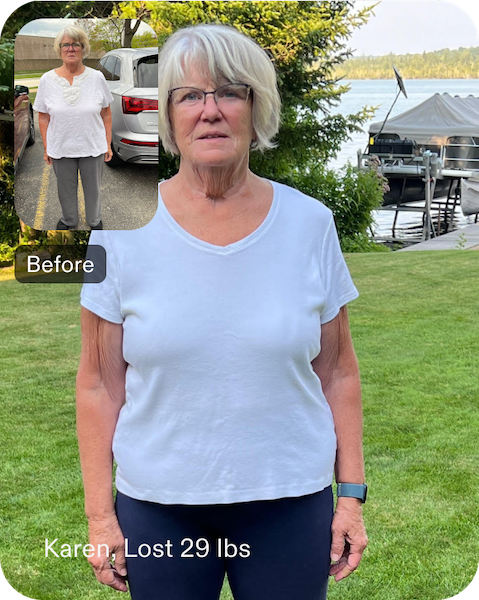
ALT Text: Before and after Everself patient photos showing body transformation after gastric sleeve recovery.
Curious what your own transformation could look like? Talk with our care team about personalized options, from endoscopic approaches like Endoscopic Sleeve Gastroplasty (ESG) to more traditional bariatric procedures.
Metabolic and Hormonal Changes That Lower Blood Pressure
One of the most important insights patients often don’t hear upfront is this: Blood pressure improvements are driven by metabolic changes, not just weight loss.
Bariatric procedures reduce insulin resistance, calm inflammation, and rebalance hormones that influence hunger, fullness, and blood vessel tone. These changes help normalize how the body regulates blood pressure.
Because these metabolic shifts happen quickly, improvements in blood pressure are often seen within weeks, even before significant weight loss occurs. This effect is well documented in peer-reviewed research. Many patients are surprised to see their blood pressure improve so quickly.
These early benefits are largely driven by metabolic and hormonal changes, rather than the mechanical effects of weight loss. Insulin sensitivity improves, reducing fluid retention and helping blood vessels relax. Inflammation throughout the vascular system also decreases, allowing arteries to function more efficiently. Hormones such as leptin and ghrelin, which regulate hunger and metabolism, are affected by bariatric procedures, further supporting early blood pressure improvements. This is why meaningful reductions can often appear within just a few weeks.
Weight Loss and Reduced Cardiovascular Strain
While metabolism plays a leading role, weight loss still matters. As body weight decreases:
- The heart works less hard to circulate blood
- Blood vessels experience less mechanical stress
- Resting blood pressure naturally declines
A large study highlighted by the American College of Cardiology found that weight-loss surgery was the most effective option for long-term blood pressure control compared to medication alone, reinforcing the cardiovascular benefits of these procedures.
It’s important to remember that early improvements in blood pressure do not mean medications can be adjusted independently. Each patient’s response varies depending on factors like the severity of hypertension, kidney health, and overall cardiometabolic risk. Everself monitors patients closely during this early phase to ensure that any reductions in blood pressure are safe, effective, and supported by clinical guidance. Understanding that metabolic benefits drive early changes can be reassuring and motivate patients to stay consistent with follow-up care and healthy lifestyle habits.
Reduction or Elimination of Blood Pressure Medications
One of the most meaningful outcomes for patients is reducing reliance on daily medications. Many people undergoing bariatric or endoscopic weight-loss procedures are able to lower doses or stop certain blood pressure medications altogether, and always with physician guidance.
The American Heart Association has reported that weight-loss surgery may help people with obesity better manage high blood pressure and reduce long-term cardiovascular risk.
Key Factors That Influence Outcomes
Not every patient’s experience is the same, and Everself emphasizes education and individualized expectations from the start.
Early blood pressure improvements also help patients feel encouraged and empowered. Seeing measurable results quickly can boost confidence and reinforce adherence to follow-up appointments, nutrition plans, and activity guidelines. Everself’s approach emphasizes personalized care, ensuring that every patient receives guidance tailored to their unique physiology and goals. By focusing on both metabolic changes and long-term habits, patients can experience sustainable improvements in blood pressure and overall cardiovascular health.
Severity of Hypertension and Cardiometabolic Risk
Patients with early-stage hypertension often see faster and more complete improvements. Those with long-standing or severe hypertension may still experience meaningful reductions, but outcomes depend on overall cardiometabolic health.
Research published in Circulation confirms that factors such as diabetes, inflammation, and vascular health all influence how much blood pressure improves after bariatric intervention.
Kidney Health and Overall Wellness
Kidney function plays a central role in blood pressure regulation. Patients with healthier kidneys tend to see stronger, more durable improvements, while advanced kidney disease may limit how much blood pressure can normalize. This relationship is detailed in a recent PubMed Central review.
Alternatives to Bariatric Surgery for High Blood Pressure
Many people, especially women who have already tried multiple weight-loss approaches, feel hesitant about traditional surgery. Everself was built specifically to address this concern. Patients also want to understand practical considerations, such as how long it takes to get bariatric surgery or begin an endoscopic treatment plan.
Endoscopic Weight Loss Procedures Like ESG and Gastric Balloon
Endoscopic procedures are non-surgical, incision-free options that provide many of the metabolic benefits of traditional surgery, but with shorter recovery times and no permanent anatomical changes. Everself also reviews options often described as the least invasive weight loss surgery, helping patients understand what “less invasive” truly means in practice.
Endoscopic Sleeve Gastroplasty (ESG) reduces stomach volume using sutures placed through an endoscope. ESG supports metabolic health and can help improve blood pressure, and you can learn more about the benefits of endoscopic sleeve gastroplasty.Everself’s founder played a key role in inventing ESG, and the clinic’s proprietary ESG Stomach Tightening™ technique reflects years of refinement and clinical expertise.
Another non-surgical option is the gastric balloon, which temporarily occupies space in the stomach to promote earlier fullness and trigger hormonal changes that support healthy blood pressure. Everself explains the benefits of gastric balloon therapy, including what to expect during treatment. For patients looking for a temporary, non-surgical starting point, Everself also highlights how Obera for weight loss works and which patients may benefit most.
These approaches are often discussed when patients search for the least invasive weight loss surgery alternatives and may be ideal for patients seeking meaningful blood pressure improvements without major surgery. Because cost is a common concern, Everself provides transparent guidance on gastric balloon cost, including what factors influence pricing and what’s typically included in care.
If you’re unsure whether ESG or a gastric balloon could help improve your blood pressure, Everself encourages you to schedule a consultation to explore personalized, non-surgical options.
Medical Therapy and Lifestyle Interventions
For some patients, medication, nutrition counseling, and movement remain important tools, either alone or alongside procedures. Everself’s care model integrates medical therapy when appropriate and supports sustainable lifestyle changes without judgment.
For patients who are not surgical candidates, Everself also outlines thoughtful alternatives to weight loss surgery.
Who Might Benefit from Less Invasive Treatments
Patients who often see strong results from endoscopic or medical options include those with:
- Mild to moderate obesity
- Early or moderate hypertension
- Preserved kidney function
- A desire to avoid permanent surgery
As Everself’s experts emphasize, hypertension outcomes vary by patient and treatment type, and some individuals achieve similar blood pressure improvements with less invasive approaches.
Taking Control of Hypertension: Your Next Step Toward Better health
High blood pressure tied to obesity is not a personal failure, and it’s not something you have to manage alone forever. Bariatric surgery for hypertension, along with modern endoscopic alternatives, offers a science-backed way to improve blood pressure by addressing the metabolic drivers behind it, especially for patients who are hesitant about traditional surgery or are researching the safest weight loss surgery options available today.
Everself’s approach is warm, expert, and deeply personalized, helping you feel informed, supported, and empowered. If you’re ready to explore a safer, more sustainable path to better blood pressure and long-term health, consider booking a free consultation with Everself. With advanced techniques, fast recovery times, and care designed around you, meaningful change is possible, without quick fixes or pressure.