
The science behind ESG and lasting weight transformation
Your struggle with excess weight isn't a personal failure. Our biology is colliding with modern-day caloric abundance. GLP-1s temporarily suppress appetite. We permanently modify anatomy to align with biology.
Why our bodies resist weight loss (and always have)
Today's mismatch is stark: calories are everywhere, ultra-processed foods dominate diets, and sedentary jobs mean calorie intake climbs while calorie output falls. Survey data shows calorie intake rose ~15% from the 1970s to today.1
The reality? Our bodies fight weight loss, especially in our modern environment.
For most of human history, scarcity—not surplus—shaped biology. Your body defends a weight set point: when pounds drop, your basal metabolic rate (your baseline calorie burn) slows and appetite rises, pulling weight back toward a defended range.2
Even more challenging, epigenetic 'tags' on DNA—chemical markers that regulate how genes are read—can shift with weight gain, nudging the body to establish a new, higher baseline and potentially increasing obesity risk in the next generation.3
Body's defended weight set point
Epigenetic weight regulation
Why GLP-1 medications stop working when you stop taking them
GLP-1 medications reduce hunger and drive meaningful weight loss—while you're taking them. But when treatment stops, biology rebounds.
Appetite control runs through the gut-brain axis—the intestine, pancreas, vagus nerve, and hypothalamus working together. Natural GLP-1 is a hormone your body releases after eating to signal fullness, but it's short-lived and breaks down within minutes.
GLP-1 medications last for days in the body, sending signals that help you feel full. But they don’t permanently reset your body’s natural weight “set point.” Participants who stop meds regain most of the weight they lost.4
GLP-1 gut–brain signaling
Hunger increase from GLP-1 drop
How endoscopic weight care fixes physiology without surgery
Modern endoscopy reaches the digestive tract through the mouth, allowing precise, foundational changes to digestive anatomy with no external cuts or traditional surgery. While all medical procedures carry risks, these non-surgical interventions offer faster recovery and lower complication rates than surgery.
At Harvard Medical School, our co-founder Dr. Christopher Thompson pioneered three core endoscopic procedures: Endoscopic Sleeve Gastroplasty (ESG)5, Transoral Outlet Reduction (TORe)67, and Sleeve-in-Sleeve (SIS)8.
ESG—the most studied and widely used—uses internal stitches to make the stomach about 60–75% smaller in roughly one hour. It's been performed in tens of thousands of patients worldwide9, with dedicated ESG device systems receiving FDA authorization in 2022.10
These anatomical changes do more than shrink your stomach. They slow gastric emptying, promote early satiety, and may naturally increase your own GLP-1 hormones. Because they act at the source where appetite and meal size are regulated, results are more durable.11
The success factor: Double the sutures and 12 months of high-touch support
Everself ESG, refined over a decade, uses twice the sutures and a precision pattern proven to enhance weight loss and durability. Combined with high-touch, long-term support, it delivers stronger, longer-lasting results.

A proprietary ESG technique with proven efficacy
In randomized trials, standard ESG averages 13.6% weight loss at 12 months. In real-world care, Everself ESG delivers ~18–20%.12
A high-touch support program for long-term outcomes
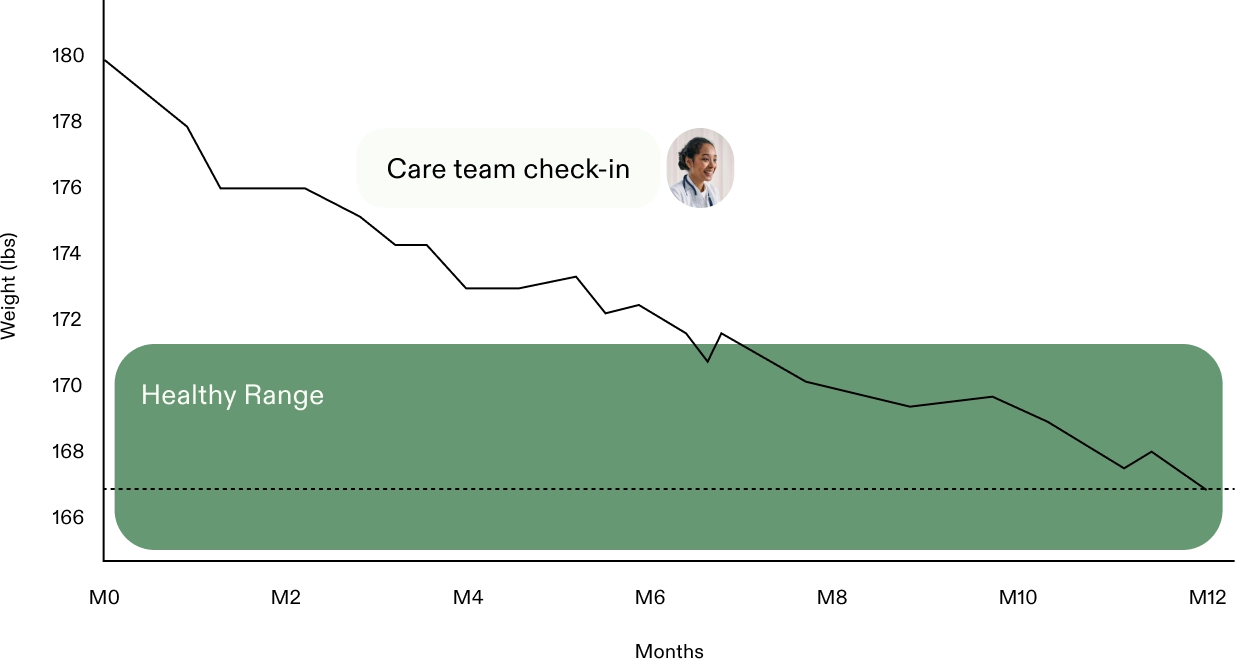
Long-term success depends on consistent, high-touch support. Studies show frequent follow-up can boost weight loss by about 5% of starting body weight by reinforcing lasting habits. Everself's 12-month program includes more than 15 touchpoints with nurse practitioners, registered dietitians, and care support team, plus a staged diet plan with liquid phases in the first six weeks to support healing and protect sutures after ESG.
Our Scientific Advisory Board
Our Scientific Advisory Board guides our progress, establishing the standards to ensure our best-in-class approaches deliver consistent and measurable weight health outcomes.
-
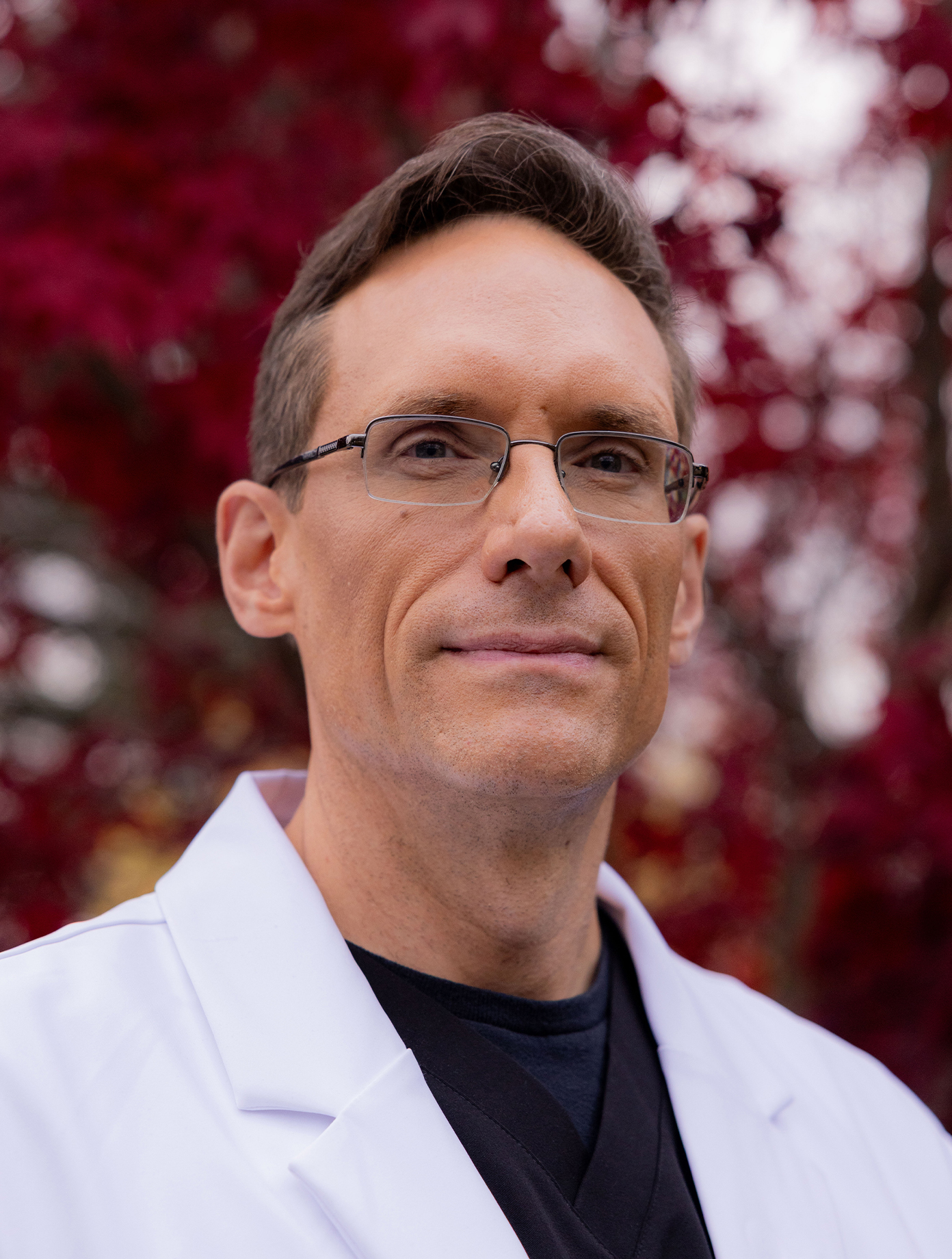
Dr. Christopher C. Thompson
Harvard Professor, Inventor of ESG Stomach Tightening, Everself Co-founder
-
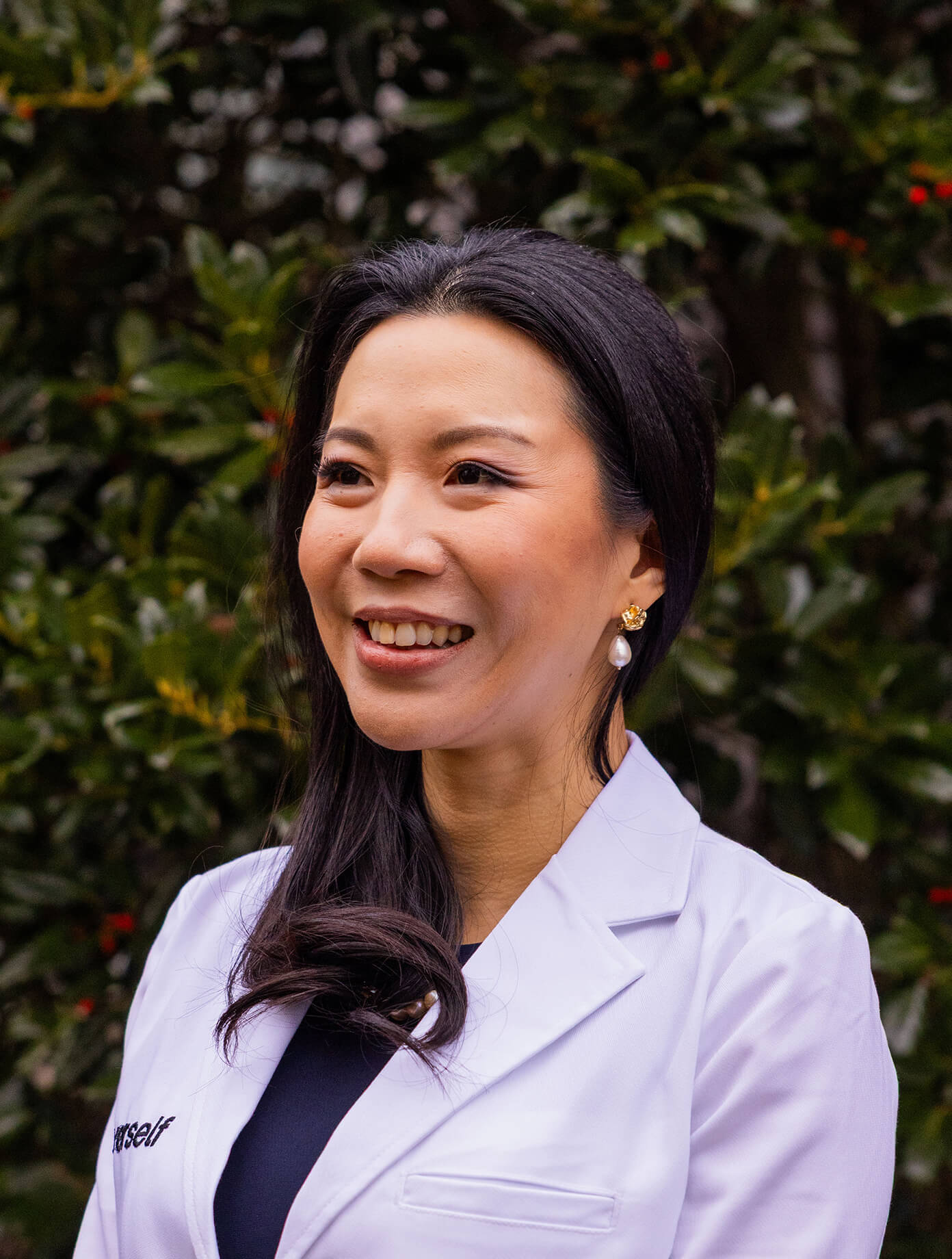
Dr. Pichamol “Sigh” Jirapinyo
Harvard Assistant Professor, Chair of American Society for Gastrointestinal Endoscopy's Advanced Endoscopy Committee, Everself Co-founder
-
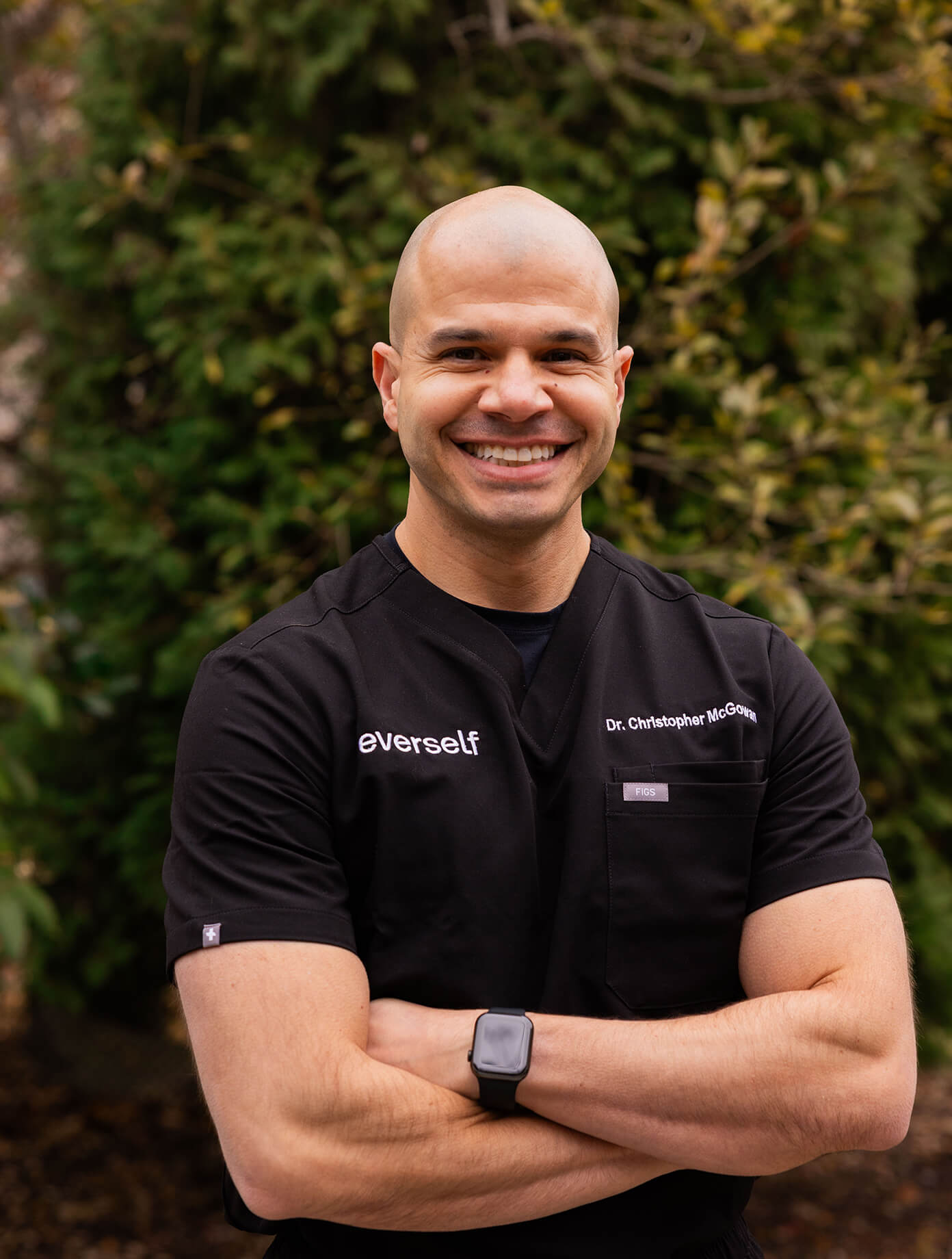
Dr. Christopher McGowan
Global leader in endoscopic weight loss, Triple-board-certified in obesity