Can Bariatric Surgery Cure Diabetes?
Can bariatric surgery cure diabetes? Get the facts about diabetes remission after gastric sleeve or bypass and explore innovative, non-surgical alternatives.

Everself Team
Team @ Everself
Living with type 2 diabetes can feel overwhelming at times, but there’s good news: significant improvements in blood sugar are possible, and many people experience meaningful changes that transform their health. Bariatric procedures have been shown to do just that - helping patients achieve diabetes remission, improve insulin sensitivity, and, in some cases, reduce or even eliminate the need for medications.
It’s important to understand that while these procedures can have life-changing results, “cure” isn’t the right term. The medical community uses the term remission to describe when blood sugar levels return to non-diabetic ranges without active treatment. Remission can be long-lasting, but ongoing monitoring and healthy habits remain key to sustaining these benefits.
In this article, we’ll discuss how bariatric surgery affects diabetes, why improvements often happen even before major weight loss, and the exciting non-surgical alternatives, like Endoscopic Sleeve Gastroplasty (ESG) and gastric balloons, that can offer meaningful metabolic benefits with minimal downtime.
Can Bariatric Surgery Cure Diabetes?
Short answer: No. Bariatric surgery can’t “cure” diabetes, but it often leads to diabetes remission, meaning blood sugar levels return to non‑diabetic ranges without the need for medications for a period of time. Remission can be durable and even long‑term, but diabetes can still return, especially if weight is regained or disease duration is long.
This distinction matters for realistic expectations: normalization of blood glucose and stopping medications is remission, not a permanent cure.
For patients who have tried, or are considering, Glucagon-Like Peptide-1 (GLP-1) medications, comparing Ozempic vs bariatric surgery can provide helpful context on how medical therapy differs from procedural approaches in terms of diabetes remission, weight loss durability, and long-term metabolic outcomes.
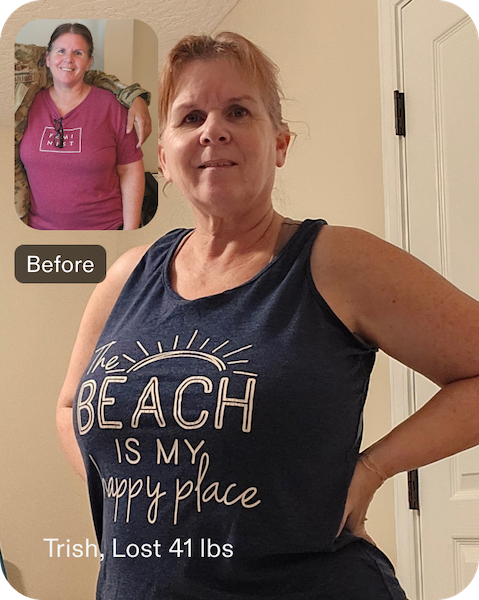
ALT Text: Trish, a woman who lost 41 pounds after undergoing ESG, smiling and standing confidently in casual clothes, showcasing her weight loss results.
Understanding remission vs cure
Many patients wonder if gastric bypass can cure diabetes. While the procedure can lead to long-term remission and medication-free blood sugar control for some people, it’s not a cure. Cure implies the disease has been completely and permanently eradicated. In contrast, remission means diabetes symptoms, like elevated blood sugar, have improved to normal or near‑normal levels without active treatment. Patients in remission still need ongoing monitoring, because type 2 diabetes can return.
Doctors typically define remission as:
- Complete remission: Normal blood glucose levels without diabetes medications for at least a defined period (often 6–12 months).
- Partial remission: Improved glucose levels that are below diabetic thresholds but still above non‑diabetic ranges.
- Prolonged remission: Sustained remission over years.
While some people may maintain remission for long periods (even a decade or more), others may see their diabetes return, especially with weight gain, longer diabetes duration, or other metabolic factors.
Diabetes remission rates after bariatric surgery
Not all bariatric procedures have the same remission outcomes, and individual results vary widely. Here’s what research shows:
Roux‑en‑Y Gastric Bypass (RYGB):
- One large multicenter study found about 51 % remission at long‑term follow‑up (~7 years).
- Other data suggest remission can be higher, up to ~70-75 %, especially when follow‑up is shorter and weight is maintained.
- Gastric bypass tends to produce higher and more durable remission rates than sleeve gastrectomy because bypass alters gut physiology more profoundly.
Sleeve Gastrectomy:
- Remission rates are generally solid but somewhat lower than RYGB.
- Studies show many patients achieve meaningful glucose control improvements, although remission rates can be about half or less of RYGB in some cohorts.
Long‑Term Perspectives:
- Some large studies show remission rates decline over longer follow‑up: remission may be ~54 % at 3 years but ~38 % at 15 years after RYGB.
Because diabetes remission rates and long-term outcomes can vary by procedure, reviewing the differences between gastric sleeve vs gastric bypass can help patients better understand how each option may affect blood sugar control.
Long-term research supported by the National Institutes of Health shows that people with type 2 diabetes who undergo bariatric surgery are significantly more likely to maintain lower blood glucose levels and reduce or stop diabetes medications years after their procedure compared with those receiving medical and lifestyle therapy alone.
In addition, according to a long-term study reported by the Endocrine Society, more than half of adults with type 2 diabetes achieved sustained remission several years after gastric bypass surgery, with the highest success seen in patients who had surgery soon after their diabetes diagnosis, highlighting that timing and procedure type both influence outcomes.
Why bariatric surgery improves blood sugar so quickly
One of the most striking findings in research is that improvements in blood sugar often begin before significant weight loss occurs after surgery. That’s because bariatric procedures do more than mechanically restrict food intake, they also trigger profound hormonal and metabolic changes:
Hormonal effects:
- Bariatric surgery alters gut hormone signaling, including increases in GLP‑1 and other incretin responses, which enhance insulin secretion and glucose regulation.
- These hormonal shifts can improve how the body uses insulin long before weight loss peaks.
Metabolic effects:
- Changes in bile acid metabolism and the microbiome after surgery contribute to better glucose homeostasis.
- Improved insulin sensitivity often appears early in the postoperative period.
Beyond GLP‑1 and incretin effects, bariatric surgery also influences other metabolic hormones such as peptide YY and ghrelin, which regulate appetite and satiety. Early changes in liver insulin sensitivity can occur within days of surgery, helping to lower fasting glucose rapidly.
Additionally, alterations in bile acid signaling can improve glucose metabolism independently of caloric restriction. These mechanisms explain why patients often see reductions in blood sugar and medication needs before major weight loss. The metabolic benefits aren’t solely dependent on stomach size.
Pros and Cons of Bariatric Surgery for Diabetes
Bariatric surgery can significantly improve blood sugar control and may lead to partial or complete diabetes remission, along with benefits for blood pressure, cholesterol, and other obesity-related conditions. Many patients reduce or stop diabetes medications after surgery.
However, it carries risks such as infection, bleeding, and lifelong nutritional supplementation, and remission is not guaranteed. Some patients may even see blood sugar rise again over time. Consulting a specialist helps weigh these benefits and risks based on individual health factors.
Benefits beyond weight loss
Bariatric surgery can deliver several diabetes‑related benefits:
- Significant improvements in blood glucose control and HbA1c levels.
- Reduced need for diabetes medications, and even sometimes down to zero.
- Improved insulin sensitivity and metabolic profiles.
- Long‑term benefits that can outpace lifestyle and medication therapy alone.
Patients should consider the long-term commitment to nutritional monitoring. Lifelong supplementation of B12, iron, calcium, and vitamin D is required to prevent deficiencies that can lead to anemia, bone loss, or neuropathy. Moreover, patients who don’t maintain healthy eating and exercise habits may experience weight regain, which increases the risk of diabetes returning.
Psychological support can also be valuable, as changes in eating behavior, body image, and social dynamics may occur after surgery. Understanding these long-term responsibilities helps patients set realistic expectations and enhances the likelihood of sustained remission and overall well-being.
Surgical risks and long-term considerations
- Surgical complications such as leaks, infections, or bleeding.
- Nutritional deficiencies requiring lifelong supplementation and monitoring.
- Potential for weight regain, which increases the risk of diabetes return.
- Need for lifelong dietary and lifestyle adjustments.
Who is (and isn’t) a good candidate?
Traditionally, bariatric surgery is recommended for people with:
- BMI ≥ 40, or
- BMI ≥ 35 with serious comorbidities like type 2 diabetes.
Emerging evidence suggests benefits may extend to people with lower BMIs, but eligibility depends on clinical evaluation, overall health, and personal goals.
In addition to BMI, factors such as how long you’ve had diabetes, whether you use insulin, and your overall metabolic health influence how well surgery may improve blood sugar. A thorough medical evaluation helps determine whether you’ll likely achieve remission and maintain long-term results.
Some patients may benefit from less invasive options, such as endoscopic weight-loss procedures or medications, particularly if their diabetes is shorter in duration or they are not candidates for surgery. Talk to an Everself specialist to assess your individual risk and benefit profile.
Exploring Non-Surgical Options for Diabetes
For individuals who aren’t ready for surgery, or who don’t meet traditional eligibility criteria, there are now effective alternatives to weight loss surgery that can still support meaningful weight loss and improvements in blood sugar control.
Non-surgical approaches like ESG and gastric balloons offer meaningful weight loss and a safer path to improved metabolic health. They can help patients with shorter-duration diabetes or lower BMI who don’t qualify for traditional surgery.
When combined with lifestyle changes and ongoing monitoring, these interventions have been shown to improve insulin sensitivity, lower HbA1c, and reduce dependence on medications. By offering structured follow-up and personalized guidance, centers like Everself help patients achieve sustainable improvements in blood sugar and overall health without undergoing surgery.
How ESG affects type 2 diabetes
ESG, like the proprietary ESG Stomach Tightening™ offered at Everself, reduces stomach volume using sutures with no incisions. While it’s not surgical, evidence shows ESG can lead to meaningful weight loss and improvements in blood sugar control for people with type 2 diabetes.
Because ESG helps you lose weight gradually and sustainably, it can reduce insulin resistance and improve metabolic markers, which are the same mechanisms through which bariatric surgery benefits glucose control, but without the surgical risks.
Want to learn more about how ESG affects type 2 diabetes? Check out this detailed look at the benefits of endoscopic sleeve gastroplasty.
Understanding what to expect after ESG, including recovery, dietary changes, and long-term support, can help patients evaluate whether this minimally invasive option aligns with their diabetes and weight-loss goals.
Book a consultation to learn more about how ESG can help improve your diabetes management and overall metabolic health.
How gastric balloon improves blood sugar levels
Gastric balloons are temporary devices placed in the stomach to induce fullness and support weight loss. While they’re shorter‑term than ESG, gastric balloon procedures have been shown to improve blood sugar levels in many patients due to initial weight reduction.
If you’re curious about this option, explore the gastric balloon pros and cons and effects of gastric balloon to decide what fits your goals.
Taking The Next Step with Everself
Bariatric surgery may not be a guaranteed cure, but it has the potential to lead to complete diabetes remission and meaningful improvements in blood sugar control, symptoms, and overall quality of life. Outcomes are especially strong with procedures like gastric bypass, though results can vary depending on factors such as how long someone has had diabetes and their weight trajectory.
For those who prefer a less invasive approach, options like ESG and gastric balloons offer effective alternatives that can also support lasting metabolic improvements. Ultimately, the best path is the one that aligns with your health history, diabetes severity, and personal goals, helping you take confident, positive steps toward better long-term health.
Curious whether bariatric surgery or a non‑surgical option like ESG might be right for you?
Schedule a consultation to get personalized guidance and explore the best route to improving your diabetes and overall metabolic health.